Exploring the Essence of Taijiquan and Its Transformative Benefits
- master243
- Feb 24
- 4 min read
Updated: Apr 15
Taijiquan: The Essence of Mindful Movement
Taijiquan, often called Tai Chi, is more than a martial art or a form of exercise. It is a practice that blends movement, breath, and mindfulness into a powerful tool for physical health and mental clarity. Understanding the essence of Taijiquan reveals why it has endured for centuries and continues to attract practitioners worldwide.
What Defines the Essence of Taijiquan?
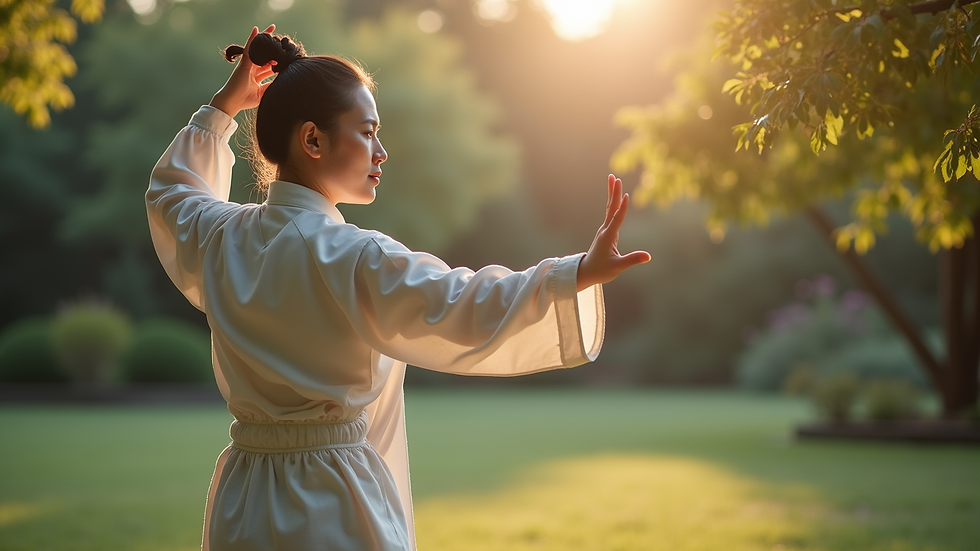
At its core, Taijiquan is about balance and harmony. It teaches how to move with intention and awareness, connecting the body and mind in a fluid, continuous flow. The practice emphasizes softness over force, yielding rather than resisting, and using internal energy rather than brute strength.
This martial art originated in China centuries ago, rooted in Taoist philosophy. It reflects the idea of yin and yang — opposing forces that complement and balance each other. In Taijiquan, this balance appears in the slow, deliberate movements that alternate between expansion and contraction, tension and relaxation.
The essence of Taijiquan can be summarized in these key principles:
Mindful movement: Every motion is performed with full attention, cultivating awareness of the body and breath.
Relaxation: Muscles stay loose, allowing energy to flow freely and preventing injury.
Rooting and stability: Practitioners learn to maintain a strong connection to the ground, improving posture and balance.
Flow and continuity: Movements link smoothly, avoiding abrupt stops or jerks.
Internal energy cultivation: Known as qi or chi, this vital energy is nurtured through breathing and movement.
How Taijiquan Transforms the Body
Taijiquan offers a gentle yet effective way to improve physical health. Unlike high-impact workouts, it suits people of all ages and fitness levels. The slow, controlled movements build strength, flexibility, and endurance without strain.
Practicing Taijiquan regularly can lead to:
Improved balance and coordination
The focus on rooting and weight shifting reduces the risk of falls, especially for older adults.
Enhanced joint mobility
The circular, flowing motions lubricate joints and increase range of motion.
Better posture and alignment
Awareness of body positioning helps correct common postural problems.
Increased muscle strength
Holding postures and moving slowly engages muscles gently but consistently.
Cardiovascular benefits
Though low-impact, Taijiquan raises heart rate moderately, supporting heart health.
For example, a study published in the Journal of Aging and Physical Activity found that older adults practicing Taijiquan twice a week for 12 weeks showed significant improvements in balance and leg strength compared to a control group.
The Mental and Emotional Benefits of Taijiquan
Taijiquan is often described as "meditation in motion." The practice encourages a calm, focused mind, which can reduce stress and anxiety. The slow pace allows practitioners to tune into their breathing and bodily sensations, promoting relaxation.
Key mental benefits include:
Stress reduction
The rhythmic movements and deep breathing activate the parasympathetic nervous system, lowering cortisol levels.
Improved concentration
Mindful attention to movement sharpens focus and mental clarity.
Emotional balance
Regular practice fosters patience, calmness, and resilience.
Better sleep quality
Relaxation from Taijiquan can help ease insomnia and improve rest.
For instance, many healthcare providers recommend Taijiquan as a complementary therapy for patients dealing with chronic pain, anxiety, or depression. Its gentle nature makes it accessible and safe for most people.
Practical Tips for Starting Taijiquan
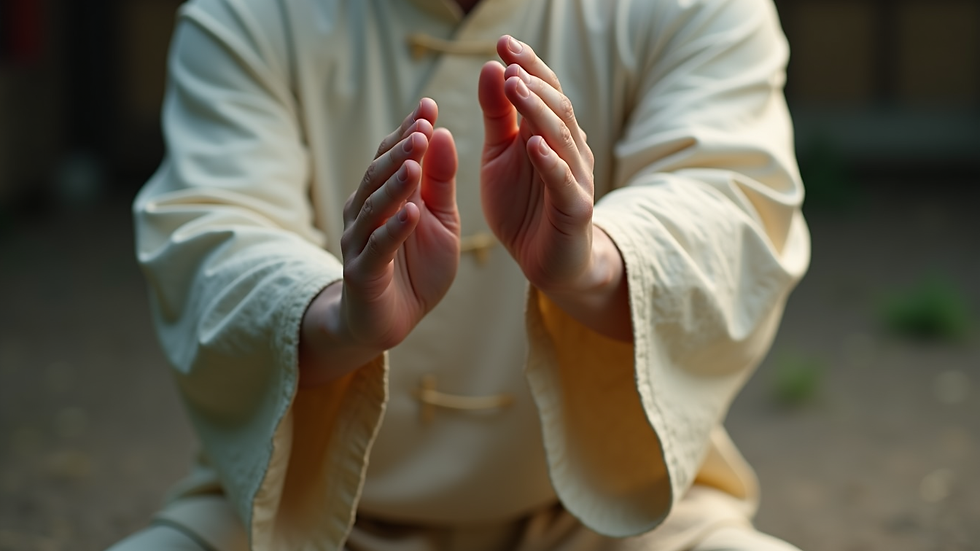
If you want to experience the essence of Taijiquan, here are some practical steps to begin:
Find a qualified instructor
Learning from an experienced teacher ensures proper technique and understanding of principles.
Start with basic forms
Focus on simple movements to build a strong foundation before advancing.
Practice regularly
Consistency is key. Even 10 to 15 minutes daily can bring benefits.
Wear comfortable clothing
Loose, breathable clothes allow free movement.
Be patient and gentle with yourself
Progress comes gradually. Avoid rushing or forcing movements.
Use online resources wisely
Videos and tutorials can supplement classes but should not replace personal guidance.
Many community centers and wellness studios offer beginner Taijiquan classes. Some practitioners also enjoy practicing outdoors in parks, connecting with nature while moving mindfully.
Taijiquan as a Lifelong Practice
Taijiquan is not just a workout; it is a lifelong journey of self-discovery and growth. Its essence lies in continuous learning and deepening awareness. Over time, practitioners often notice subtle changes in how they move, think, and respond to life’s challenges.
The practice encourages living with balance, patience, and openness. It teaches that strength comes from softness and power from calmness. These lessons extend beyond the practice space into everyday life.
Conclusion: Embrace the Journey of Taijiquan
In conclusion, Taijiquan is a profound practice that integrates physical movement with mental clarity and emotional stability. It is a journey that offers numerous benefits for the body and mind. As I continue to explore this art, I find that the principles of Taijiquan resonate deeply in my daily life.
I encourage you to embrace this journey. Whether you are seeking physical fitness, mental peace, or a deeper connection to yourself, Taijiquan can be a valuable companion.
By incorporating Taijiquan into your routine, you can cultivate discipline, confidence, and physical fitness. This practice not only enhances your well-being but also connects you to a community of like-minded individuals.


Comments